
is the biggest, and won’t be the only, country to delve into the explosive topic of the pay gap between women and men. Firms with at least 250 employees in Britain have until April 4 to calculate and report wage disparities, and what’s likely coming is a wave of embarrassing information. figures are being reported in a way that’s fueling complaints about women being underpaid. How wide is the U.’s gender wage gap?
The U. government is focusing on a blunt, uniform assessment of what all women earn vs. all men, rather than figures that are adjusted for factors such as education, seniority or the fact that men tend to hold more senior positions. On that basis the nationwide gap in 2017 was 18.4 percent, based on median gross hourly earnings, excluding overtime, for both full- and part-time workers. That’s down from 27.5 percent in 1997, according to the Office for National Statistics. The agency says the gap is caused, in part, by more women working part-time. Also, women tend to work in occupations with lower pay and take time out to have children. The discrepancy widens with age, and women’s pay stops climbing at a younger age than male colleagues. What are companies required to report?
They must disclose any difference between the salary and bonus of all of their male employees and all of their female employees on a mean and median basis, the proportion of each gender receiving a bonus, and the proportion of men and women in each pay quartile. The findings must be published annually on both the government’sand the companies’ websites -- and kept there for at least three years. Publication of an “action plan” showing how companies will try to close any gaps is encouraged, but not mandatory. What do the disclosures show?
Of the roughly 9,000 companies large enough to fall under the rule, less than 10 percent have so far published their figures -- and those show a sizable pay gap.Financial services firms are often showing wider gaps than the national figure. Virgin Money said that men earn, on an average hourly basis, 32.5 percent more than women. Asset manager Schroders Plc reported its pay gap as 31 percent. At Deloitte LLP, the number is 18. And the gap is far wider when it comes to bonuses -- 45.3 percent at Virgin Money, 66 percent at Schroders and 50.9 percent at Deloitte. How far is the U. from ‘equal pay for equal work’?
That will be hard to say. The phrase refers to the idea that men and women doing the same job at the same company should receive the same salary. But the disclosures by U. companies won’t adjust for mitigating factors, so they won’t provide employee-to-employee comparisons. Reporting on an adjusted basis is more popular among U. companies that have chosen to self-report under pressure from activist shareholders, including U. banks Citigroup Inc. and Bank of America Corp. Their in-house figures compensate for factors such as job title and geography and show only a 1 percent gap. Firms operating in Britain have the option to make similar tweaks in their own data, but those adjustments aren’t reflected in the numbers reported to the U. What’s been the reaction so far?
There’s been something of an uproar already, over the lack of women in more senior -- and thus well-compensated -- positions. The British Broadcasting Corporation, for example, sparked outrage when it disclosed a big gap among pay for its on-air talent. On a national basis, men dominate both the highest and lowest paid occupations, according to the ONS. But even in occupations with more women, female wages still lag those of male peers on a full-time basis. What happened at the BBC?
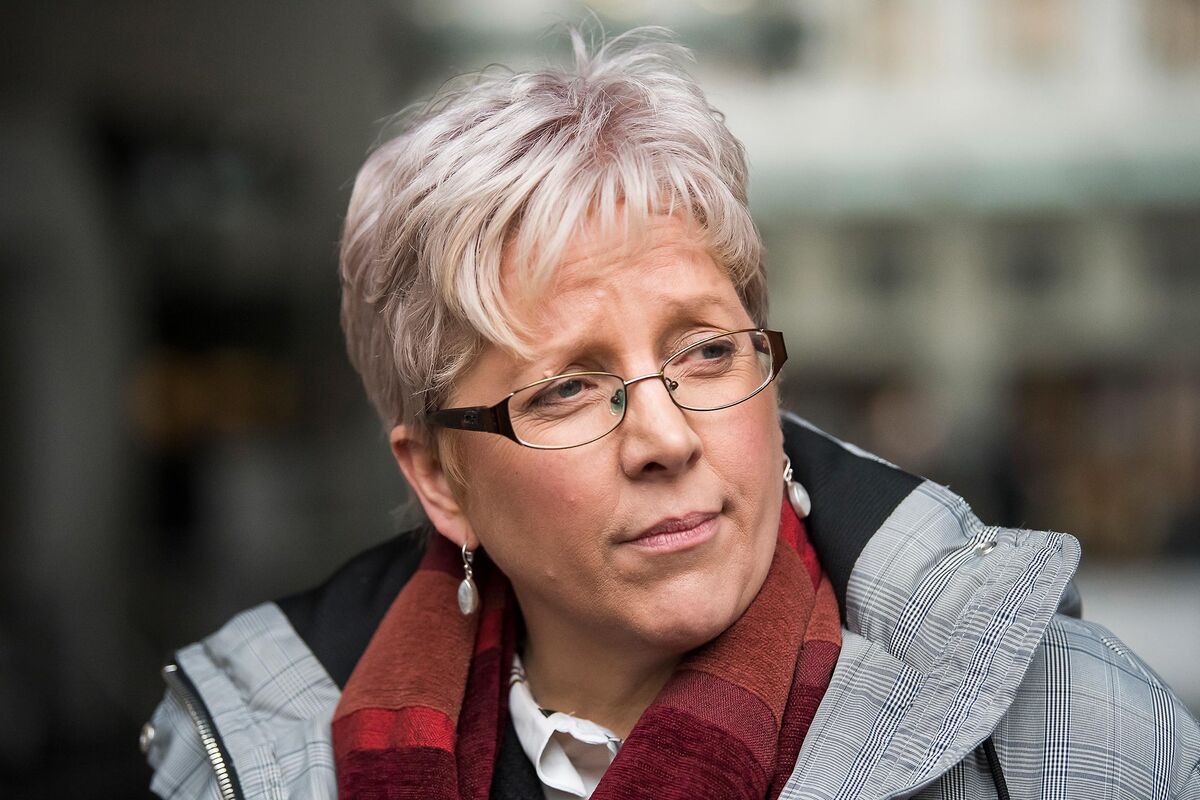
It released a pay report in July 2017 that went beyond the government requirements and revealed the names and salaries of top stars and executives. It showed that, of the highest-paid employees in 2016-2017, just under a third were women. The disclosure prompted the news organization’s high-profile China editor, Carrie Gracie, to quit in protest at what she called the “secretive and illegal” pay culture at the publicly funded broadcaster. She also called the salaries of some BBC staff “unacceptably high,” prompting some of her male colleagues to agree to pay cuts in an attempt to bring them closer to parity. The report caused an outcry that has led to parliamentary hearings. The BBC’s director general, Tony Hall, says the BBC’s overall pay gap was 10 percent -- better than the national average. At what point does a wage gap violate the law?
That remains to be seen. The data could provide fodder for existing or future lawsuits, since the U.’s 2010 Equality Act gives women and men the right to equal pay for equal work, and there’s a framework for comparing jobs by effort, skill or decision making. The country’s biggest private employer, supermarket giant Tesco Plc, has been presented with claims that law firm Leigh Day says could eventually total as much as 4 billion pounds ($5. The firm contends that female shop-floor workers are unfairly paid less than their majority male counterparts in warehouses. Tesco says it hasn’t received the claims. What prompted the U. to disclose the pay gap?
David Cameron, who served as prime minister from 2010 to 2016, made addressing the gender-pay "scandal" part of the Conservative Party’s agenda. Announcing the new disclosure rules in 2015, Cameron said they would “cast sunlight on the discrepancies and create the pressure we need for change, driving women’s wages up.” (By the time the rules took effect this year, Cameron was out of office, replaced by the U.’s second female prime minister, Theresa May.) Eliminating the difference could add 150 billion pounds ($196 billion) to annual gross domestic product by 2025 by boosting female participation in the workforce, encouraging women to work longer hours and moving them into more productive jobs such as those in science and engineering, according to a study by McKinsey & Co. Are other countries doing this?
Yes. Australia already requires firms with more than 100 employees to report on gender annually and publishes reports on their equality objectives, while Germany is implementing new rules around the issue this year. Austria and Belgium were other early adopters, though they don’t force companies to release figures publicly. has moved away from requiring more uniform or transparent disclosures. Last year, President Donald Trump’s administration iced a rule change that would’ve required companies to include pay information with the gender and race data the report annually to the U. Equal Employment Opportunity Commission.
The Reference Shelf
— With assistance by Laura Colby, and Sam Chambers.

0 comments:
Post a Comment